
There is a paradox at the heart of today’s cosmetics market. Generative artificial intelligence tools produce packaging concepts at an industrial pace, with flawless visual identities, perfectly smooth surfaces, and algorithm-optimized color palettes. At the same time, a growing number of consumers (and more discerning brands) are actively seeking the opposite: visible imperfections, materials with a story, and objects that bear the mark of a human hand.
Mintel has identified this trend as the Human Touch Revolution in its 2026-2030 beauty industry forecasts. It isn’t nostalgia. It’s a precise cultural response to the aesthetic homogenization produced by digitalization. When anything can be generated by an AI model, the fact that something is handmade becomes a rare value.
For cosmetic brands and packaging manufacturers, this is an opportunity worth understanding.
The Human Touch Revolution: what’s happening
The Human Touch Revolution is the market’s response to a structural transformation in visual content production. With generative AI tools accessible to virtually everyone, the cost of creating a visual identity has approached zero. The result is twofold: on the one hand, access to good design has become more democratic; on the other, aesthetics are becoming homogenized at an unprecedented rate.
Anyone browsing beauty content online (Instagram, TikTok, Pinterest, or premium retailers) encounters thousands of flawless packaging designs every day. Perfection has become background noise: it no longer surprises or creates an emotional connection.
This is where the principle of scarcity comes into play. When every packaging design seems to have emerged from the same set of prompts, anything visibly different (and visibly human) becomes rare. And rarity drives desire in both the premium and luxury segments.
A bottle featuring a slight irregularity in its blown-glass structure, a subtle color variation, or a perceptible texture is immediately perceived as non-algorithmic. This does not mean that packaging should look rough or unfinished. The difference between a mass-produced item and one that bears the imprint of careful craftsmanship lies not in its technical quality, but in the story the object tells to the person holding it.
This represents a competitive advantage that is difficult to replicate, because it rests on relationships, expertise, and local know-how that take decades to develop.
What “controlled imperfection” means in cosmetic packaging
The term may sound contradictory, but it accurately describes the approach adopted by the most sophisticated brands. It does not mean producing defective packaging or lowering quality standards. Instead, it means deliberately incorporating elements that conventional mass production would typically seek to eliminate: a slight color variation in a blown-glass bottle, a surface that is not perfectly uniform, or a subtle irregularity in a decorative finish.
These details work because consumers interpret them as signs of authenticity. A perfectly uniform object appears machine-made, while one with minimal variations appears to have been made by a person. And in 2026, the appearance of being handmade is a powerful point of differentiation.
The key word is “controlled.” Imperfection must be intentional, not random. It must fall within a quality control system that ensures each piece displays the same type of imperfection, because that distinctive characteristic is part of the product’s identity rather than a tolerated defect.
Glass as the material of authenticity
Glass is particularly well suited to expressing Human Touch positioning, for technical reasons before emotional ones.
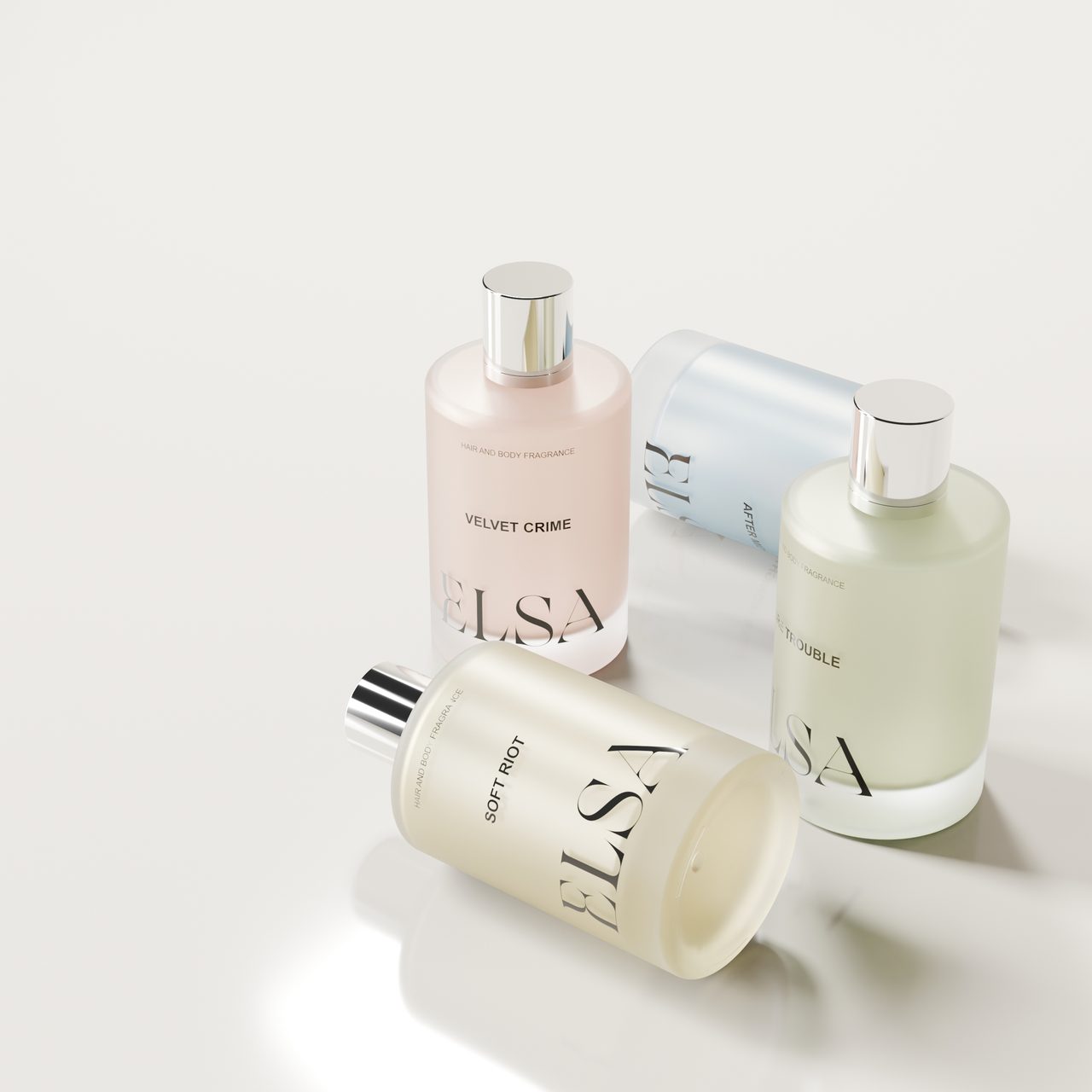
Unlike other packaging materials, glass can visibly retain traces of its manufacturing process: microscopic bubbles, slight variations in thickness, and color nuances that may change subtly from one production batch to another. These are intrinsic characteristics of the material and its manufacturing process, regardless of where it is produced. It is precisely this visibility of the production process that Human Touch consumers are looking for.
One point deserves clarification. There is no such thing as glass that is inherently “superior” because of its country of origin: there is well-manufactured glass and poorly manufactured glass. Competitive value does not lie in geographical origin, but in the careful selection of manufacturers, the direct relationships built with them, and quality control processes capable of distinguishing which variations represent the material’s character and which are defects that must be rejected. It is this expertise that makes the difference, not a label indicating where the material comes from.
Customized and decorated glass packaging carries a manufacturing story worth telling, one that is increasingly valued in international markets (particularly France, Germany, Japan, and South Korea), where attention to packaging quality is a tangible purchasing factor.
Personalization techniques that evoke uniqueness
Various finishing and decoration techniques can communicate authenticity and careful craftsmanship. Not all of them are artisanal in the traditional sense: some use advanced technologies to achieve results that evoke a handmade appearance.
This is “controlled imperfection” applied to industrial production.
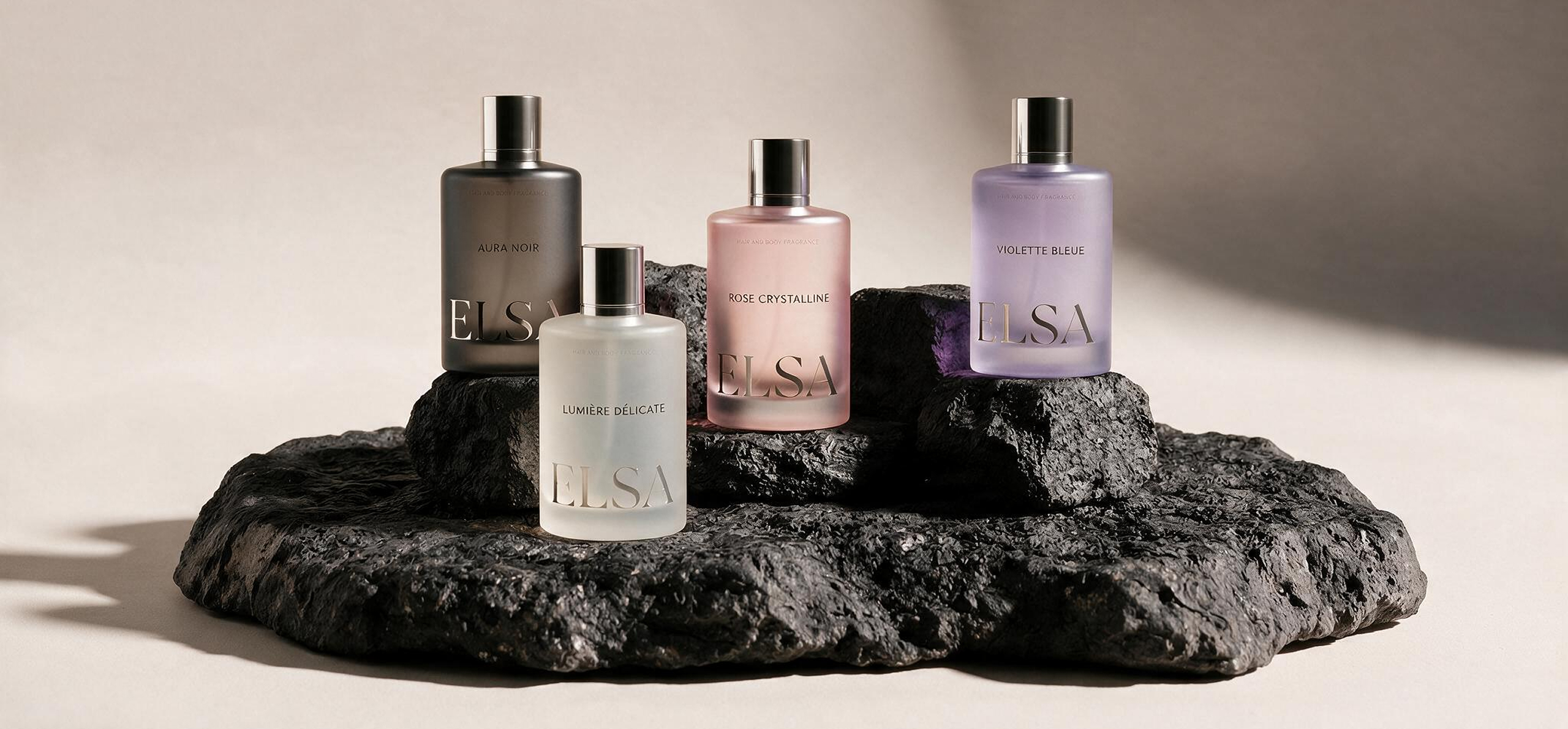
- Sandblasting and frosting: Sandblasting creates a matte, slightly rough surface reminiscent of antique glass or concrete, making it suitable for premium natural beauty or medical-wellness positioning. Frosting is a more delicate variation, producing an almost transparent, mist-like effect. Both give bottles a distinctive tactile quality that glossy glass cannot offer.
- Multi-pass screen printing: Screen printing is an automated process that can nevertheless produce slight variations from one piece to another due to the technical characteristics of the process (ink deposition, alignment between printing passes, and the behavior of color on curved surfaces). These variations are minimal, noticeable only to a trained eye, but they add character. Raised printing and hot stamping follow a similar principle.
- Laser and cold engraving: A mark engraved directly onto glass or aluminum is permanent and cannot be replicated with an adhesive label. It communicates a higher level of manufacturing commitment: the object is valuable enough to carry its name permanently.
- Capsule collections and numbered batches: A limited-edition capsule collection transforms packaging from a simple container into a collectible object, justifies prices above the standard product range, and creates a sense of urgency and exclusivity.
How to build a coherent Human Touch positioning
The main risk for brands seeking to position themselves in this segment is inconsistency, because Human Touch consumers are particularly sensitive to contradictions.
A brand that communicates care and attention but chooses anonymous, off-the-shelf packaging without any thoughtful selection immediately loses credibility. The same applies to a brand that promotes imperfection as a value while presenting itself through a website built entirely from AI-generated templates.
The problem lies in the gap between the story a brand tells and what it actually places in its customers’ hands. Once consumers perceive that disconnect, rebuilding credibility is difficult.
Consistency must extend across every touchpoint:
- Packaging: Materials, finishes, and dispensing systems.
- Communication: Photography with an analog aesthetic and copywriting with a distinctive, recognizable human voice.
- Distribution: Selective channels rather than mass-market distribution.
- Pricing: The value of craftsmanship must be reflected in the price.
Packaging is the starting point because it is the only element consumers literally hold in their hands. However, it can only succeed as part of a coherent brand experience.
A closer look at cosmetic packaging personalization techniques is available in our article on techniques and decorations for personalized packaging.
Eurovetrocap and Human Touch packaging
Eurovetrocap has been manufacturing and distributing cosmetic packaging for over forty years, with proprietary molds for glass and plastic packaging and an in-house Custom department.
More than 85% of our catalog is sourced from Europe, while approximately 15% comes from carefully selected Asian manufacturers. Both are chosen according to the same principle: a thoughtful selection process based on each product’s market segment and intended function, ensuring the right manufacturing partner for every requirement.
We apply the same quality control procedures throughout the entire supply chain, using the same technical team and the same standards.
This is our strength: we guarantee that every supplier has been selected based on expertise and that we know exactly what we are delivering to the brands that choose our catalog.
For brands looking to develop a Human Touch positioning, our catalog offers practical solutions: glass bottles with sandblasted and frosted finishes, customized engraving and screen printing, formats designed for capsule collections, and limited-edition production runs.
Our Zero In•Pack program adds the dimension of environmental sustainability, a natural extension of the Human Touch philosophy: consumers who seek authenticity also seek responsibility.
The luxury cosmetic packaging we offer is rooted in this dual foundation: technical expertise and an understanding of what makes an object worth choosing and keeping.
Looking to develop a cosmetic line with authentic, compelling brand positioning? Contact us for a consultation: together we’ll assess materials, finishes and personalization strategies suited to your brand.


