
Until a few years ago, refill packaging was primarily a branding choice. Premium beauty brands used it to reinforce their sustainability credentials, while luxury fragrance houses embraced refilling as part of an exclusive customer experience. Since February 2025, however, the introduction of the Packaging and Packaging Waste Regulation (PPWR – Regulation (EU) 2025/40) has fundamentally changed this perspective.
Packaging reuse is no longer simply a marketing differentiator: it is becoming a strategic requirement that the entire cosmetics value chain must begin preparing for.
For cosmetic manufacturers and distributors, this means evaluating which refill packaging systems are available, identifying the most suitable solutions for different product categories, and understanding how these systems can be integrated into existing manufacturing processes. The goal is not to overhaul an entire product portfolio overnight, but to identify the right starting point and build a transition strategy that aligns with the brand’s positioning and long-term business objectives.
This guide provides a practical, business-oriented overview of refill packaging solutions for the cosmetics industry, offering realistic insights into regulatory requirements without oversimplifying the legislation or overstating the current readiness of the European market.
Refill vs. refillable packaging: understanding the difference
The term refill is often used as a catch-all expression, but in both industrial practice and regulatory contexts it refers to several distinct concepts. Understanding these differences is the first step towards selecting the most appropriate packaging solution.
A refill system allows consumers to purchase the product separately in a refill format – typically a lighter, more economical package using less material – which is then poured into or inserted into the original container. The primary package remains with the consumer and is reused multiple times, while value shifts to the refill format itself, which may take the form of a pouch, cartridge, capsule, or lightweight bottle.
By contrast, refillable packaging is specifically engineered to be replenished, often directly at the point of sale or through a proprietary closed-loop system. The primary container is designed for long-term use and becomes a permanent part of the consumer’s experience. Luxury perfumery pioneered this approach through in-store refill stations, where the original fragrance bottle is professionally refilled.
Between these two models lie several hybrid solutions, including replaceable cartridges, airless systems with removable reservoirs, and refill capsules housed inside durable outer containers. Identifying which category best suits a product is essential when designing an effective refill strategy.
What the PPWR means for the cosmetics industry
Regulation (EU) 2025/40, better known as the Packaging and Packaging Waste Regulation (PPWR), entered into force on 11 February 2025 and introduces binding targets for packaging reusability across the European Union. Unlike previous policy frameworks, this is not a voluntary initiative: its requirements apply throughout the packaging value chain, from manufacturers to distributors.
For the cosmetics sector, the regulation focuses primarily on reducing unnecessary packaging, promoting design for recyclability – with all packaging placed on the EU market expected to be recyclable by 2030 – and introducing specific reuse targets for selected packaging categories. While exact percentages and implementation timelines vary depending on the sector, the overall direction is clear. The fundamental criteria defining reusable packaging begin to apply from August 2026, while mandatory reuse targets will gradually come into force from 2030, with more ambitious objectives extending towards 2040.
From a business perspective, this has two important implications. First, new cosmetic packaging developments should already be designed with recyclability and refillability in mind. Companies that begin adapting today will be better positioned than those waiting until regulatory deadlines become imminent. Second, packaging suppliers become increasingly strategic partners. Choosing a supplier with a thorough understanding of PPWR requirements—and the ability to document material performance and regulatory compliance—offers a significant competitive advantage over working with suppliers focused solely on product availability.
It is also important to remember that the PPWR does not operate in isolation. Its requirements overlap with existing European cosmetic packaging legislation and with national environmental labelling rules that some Member States, including France and Germany, have introduced ahead of wider EU implementation. Companies operating across multiple European markets should therefore consider both EU-wide obligations and country-specific requirements when developing their packaging strategies.
The main refill systems used in cosmetics
A variety of refill packaging solutions are currently available for the cosmetics industry, and not every system is suitable for every application. The following are the four most widely adopted approaches, together with their main advantages and technical considerations.
Refill jars
Refill jars are the most established solution in skincare, particularly for creams, balms, body butters, and other products with rich, dense textures. The system consists of a durable outer container – typically made from premium glass or high-quality plastic – and a removable inner cup or cartridge that holds the formula. Once the product has been used, consumers simply replace the inner refill while retaining the external jar.
One of the key advantages of this approach is that the primary packaging can be manufactured from premium materials such as heavyweight glass or aluminium without generating unnecessary waste, since it is designed for long-term use. The main engineering challenge lies in the design of the refill insert. It must provide an airtight seal, ensure full compatibility with the cosmetic formulation, and allow consumers to replace it quickly and intuitively without damaging either the refill or the outer container.
Refillable perfume bottles
The fragrance industry has embraced refillability for much longer than most other cosmetic sectors, particularly within luxury and niche perfumery, where consumers are already familiar with refill concepts. Today, two refill technologies are particularly common. The first is the dual-reservoir system, in which the bottle incorporates a dedicated refill chamber that can be replenished using a specially designed refilling device. The second is the refill valve system, which enables fragrance to be transferred from a refill bottle into the original bottle through a sealed connection, minimising evaporation and preventing product loss during the refilling process.
Both solutions require dedicated engineering from the earliest stages of packaging development. They cannot simply be added to an existing perfume bottle as an aftermarket modification. Brands planning to launch refillable fragrances should therefore integrate refill functionality into the initial packaging design rather than treating it as a later upgrade.
Airless packaging with replaceable cartridges
Airless packaging is already widely recognised for protecting formulations containing oxidation-sensitive active ingredients. It also lends itself particularly well to refill applications when the internal reservoir is designed to be removable. In this configuration, the durable outer shell remains in use while the empty internal cartridge or bag is replaced with a pre-filled refill. This solution is especially suitable for products such as serums, liquid foundations, facial treatments and other low- to medium-viscosity formulations. From a technical standpoint, the replacement mechanism represents the greatest challenge. It must be simple enough for consumers to operate independently while maintaining the airtight performance required to preserve product integrity throughout its lifecycle. For a more detailed explanation of how airless technology works, see our dedicated guide on airless cosmetic packaging.
Single-use refill packs
The simplest refill model is based on lightweight refill packs rather than replaceable components. Consumers purchase the primary container only once and subsequently buy the product in a reduced-packaging format – such as a flexible pouch, tube or lightweight bottle – which is emptied into the original container at home. This model has long been established in household cleaning products and is now becoming increasingly common in personal care and cosmetics, particularly for shampoos, conditioners, shower gels and body lotions. Its greatest advantage is manufacturing simplicity. Refill packs require significantly less rigid packaging material, resulting in lower packaging costs per unit while also reducing material consumption and transportation weight. The main drawback is the user experience. Because consumers must manually transfer the product into the original container, the process is generally perceived as less premium than cartridge-based or integrated refill systems. For luxury beauty brands, this may represent a limitation, whereas for mass-market products the balance between convenience, sustainability and cost often makes this solution highly attractive.
Materials and compatibility: how refill packaging differs from traditional packaging
Designing a refill packaging system requires a broader approach to material selection than conventional single-use packaging. While aesthetics and product protection remain essential, long-term durability becomes equally important. Since the primary container is intended to be reused for years, it must withstand repeated opening and closing cycles, prolonged exposure to humidity and light, and, in many cases, regular cleaning by the consumer between refills.
Glass remains one of the most suitable materials for refill packaging applications. It is chemically inert, does not absorb fragrances, pigments or cosmetic residues, offers excellent resistance to mechanical wear, and maintains its premium appearance over time. However, decorative finishes deserve careful consideration. Treatments such as frosting, lacquering or surface coatings may gradually deteriorate after repeated washing. When designing containers intended for long-term reuse, these finishes should therefore be selected according to the expected lifespan of the product. Recycled glass and eco-designed glass packaging are particularly well suited to refill systems, combining the durability of glass with a reduced environmental footprint.
Aluminium represents another excellent option, especially for travel formats and selected make-up applications. Its lightweight nature, virtually infinite recyclability and outstanding barrier properties against light and oxygen make it an attractive solution for reusable packaging. The main consideration concerns surface finishes rather than the material itself. Decorative treatments such as anodising or painting may become scratched or lose their original appearance after repeated handling and washing. Premium refill packaging should therefore incorporate finishes specifically engineered for long-term durability.
Where plastic is used, mono-material solutions should be prioritised to facilitate recycling at end of life. PET, HDPE and polypropylene (PP) remain among the most widely used materials for cosmetic refill systems. However, compatibility with individual formulations – particularly those containing high concentrations of essential oils, solvents or ingredients with extreme pH values – must always be validated before production. Material compatibility becomes even more critical in refill packaging than in conventional single-use formats. Because the primary container remains in contact with cosmetic formulations for much longer periods, careful compatibility testing is essential to ensure product stability, packaging integrity and consumer safety throughout the product’s intended lifespan.
Communicating refill packaging without falling into greenwashing
The risk of greenwashing in the cosmetic packaging industry is real, and European authorities are stepping up enforcement, particularly in light of the Green Claims Directive (EU) 2024/825, which introduces stricter standards for environmental claims made about products.
A few practical guidelines can help brands communicate refill solutions more accurately. The first is to avoid generic claims such as eco-friendly, green or sustainable unless they are supported by verifiable evidence. If a company claims that its packaging reduces CO₂ emissions, it should be able to substantiate this through a Life Cycle Assessment (LCA). Likewise, if packaging is described as recyclable, it should be genuinely recyclable within the waste collection systems available to end consumers, not merely recyclable in theory.
The second principle is to provide clear instructions on how the refill system works. A refill solution is only effective if consumers understand how to use it correctly. Confusing labels or unintuitive replacement mechanisms can lead to frustration, reducing refill adoption and ultimately undermining the environmental benefits the system is intended to deliver.
Finally, it is important to be transparent about the limitations of refill packaging. A refillable glass container generally delivers a positive environmental impact only if it is reused multiple times. As a rule of thumb, this means at least three to five reuse cycles. If it is used only once before being discarded, its overall environmental footprint may actually be higher than that of a lighter single-use alternative. Helping consumers understand the importance of repeated reuse – and designing refill systems that naturally encourage this behaviour – is an integral part of adopting a successful refill packaging strategy.
Eurovetrocap refill packaging solutions
For over thirty years, we have partnered with cosmetic brands of every size, helping them develop packaging solutions that combine functionality, aesthetics and innovation. In recent years, sustainable packaging has become an increasingly important focus of our product development activities. This is where Zero In•Pack, our in-house innovation lab, plays a key role. Dedicated to the research and development of sustainable cosmetic packaging, Zero In•Pack is where new ideas take shape, combining reduced environmental impact with high aesthetic and functional standards.
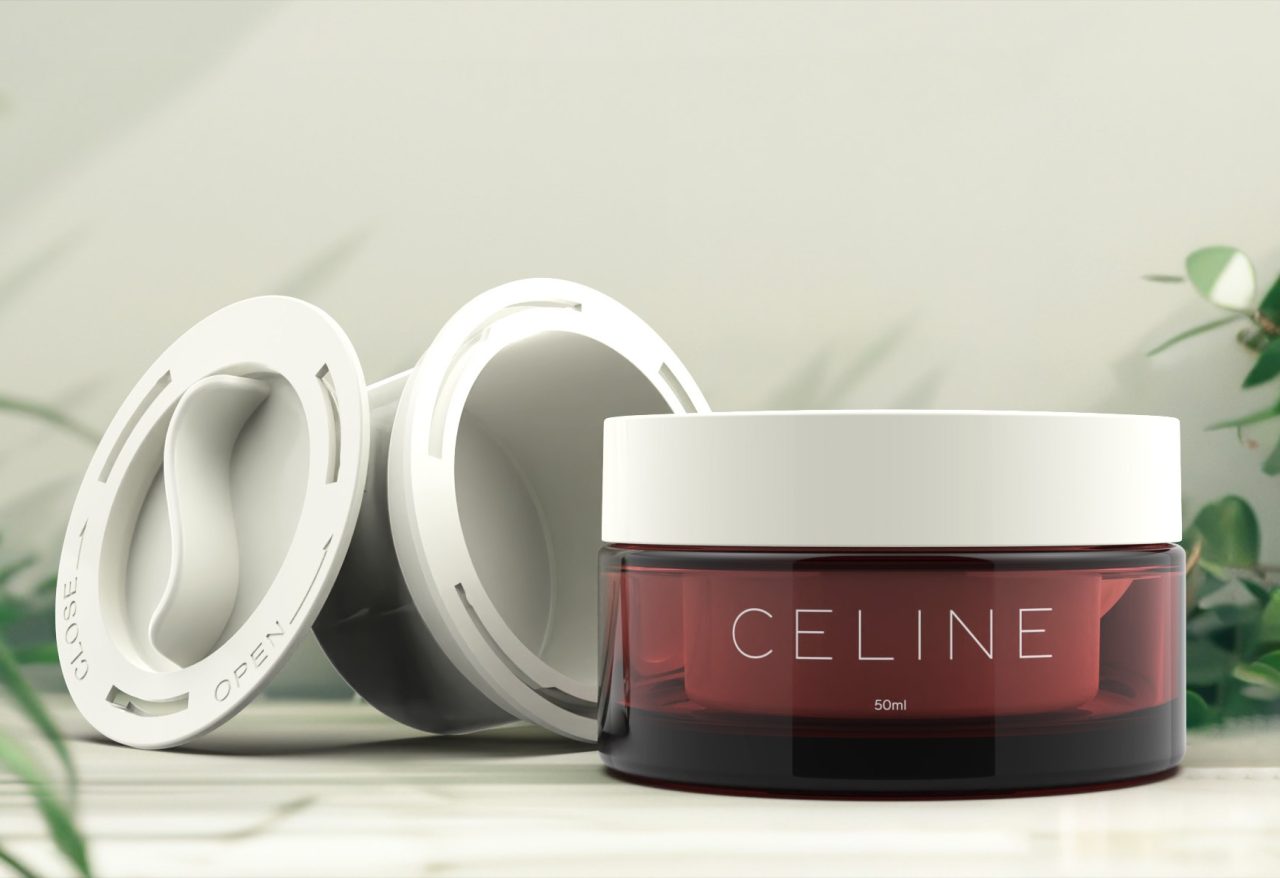
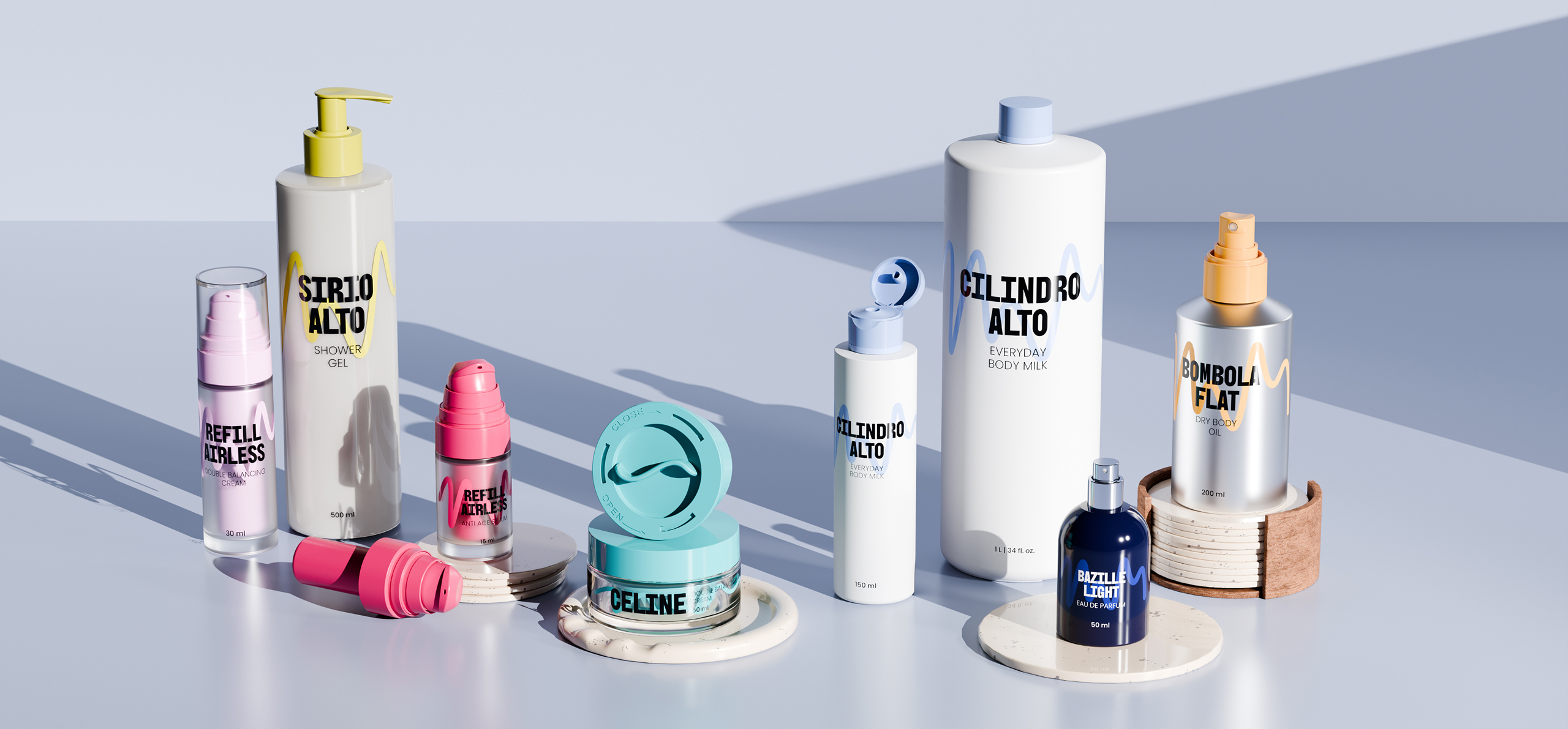
Among the refill solutions already available in our portfolio, the Celine refill jar is a practical example of how interchangeable cartridge systems can be successfully applied to skincare packaging. The heavyweight glass outer jar is designed for long-term reuse, while the replaceable inner cup ensures product protection, an airtight seal and compatibility with a wide range of cosmetic formulations.
For brands looking to introduce refill solutions in fragrance or liquid skincare applications, our technical team can help identify the most suitable approach based on formulation characteristics, expected production volumes and product positioning.
Are you developing a refillable product line or looking to align your packaging strategy with the new PPWR requirements? Get in touch with our team for a technical consultation. Together, we’ll assess the available options and help you choose the refill packaging solution that best fits your brand.


