

Anyone evaluating a packaging supplier almost always has a launch date in mind, a defined market positioning and a formula that is ready or nearly ready. At that stage, the container becomes a business variable: it affects timelines, margins and how the product is perceived on the shelf.
There is a set of criteria against which any supplier should be assessed, and many of them align with the areas in which we at Eurovetrocap compete. That is why we are publishing the full checklist and applying the same criteria to ourselves. For each one, you will find what to ask any company with a packaging catalogue and, at the end, our own answers, including our limitations.
Breadth and consistency of the product range
A supplier offering multiple materials (glass, plastic and aluminium), formats and application categories makes it possible to develop entire product lines without having to deal with numerous contacts. This becomes particularly relevant as a brand grows: a single partner that can support the evolution of its catalogue reduces order fragmentation and maintains visual consistency across products.
A supplier should therefore be able to specify the number of standard items and categories covered (skincare, make-up, fragrance and pharmaceuticals), the materials it actually works with, compatible accessories (pumps, caps, applicators and dispensers), and whether it can create coordinated sets across different formats.
MOQs for the complete packaging item
Minimum order quantity (MOQ) is often the first point of friction between a brand’s needs and production constraints. A high MOQ ties up capital and warehouse space; an inflexible MOQ makes it impossible to test the market with small batches and is particularly challenging for controlled launches, limited editions and niche lines, as discussed in our guide to packaging for indie beauty brands.
MOQ is meaningful only when calculated for the complete packaging item. Caps, pumps, applicators and decoration each have their own minimum quantities, and the finished item can only be assembled when all components are available at the same time. Questions to ask a supplier should therefore be unambiguous: the MOQ for the finished item rather than for an individual component; different thresholds for stock items and dedicated production; differences between glass and plastic; accessories with their own minimum order quantities; and the possibility of scaling volumes from one order to the next.
Lead times, stock availability and decoration
Lead times must be considered alongside the availability model. A stocked catalogue allows standard items to be shipped quickly; dedicated production requires longer lead times that must be built into the plan from the outset. When the launch date is fixed, knowing which items are in stock and which require production makes it possible to establish a realistic schedule.
One step that is often overlooked until it is too late: even when starting with an in-stock item, graphic decoration adds a production stage that extends the lead time compared with an undecorated container. Quantifying that extra time is essential for establishing when the packaging will actually be ready for filling, rather than merely available in its basic form. A supplier should also be assessed on how it communicates stockouts and delays—proactively, not only after an order has been confirmed.
Customization: standard, tailored and full-custom
Customization is where packaging stops being anonymous and starts telling the brand’s story. The main distinction is between standard containers that can be decorated and bespoke projects.
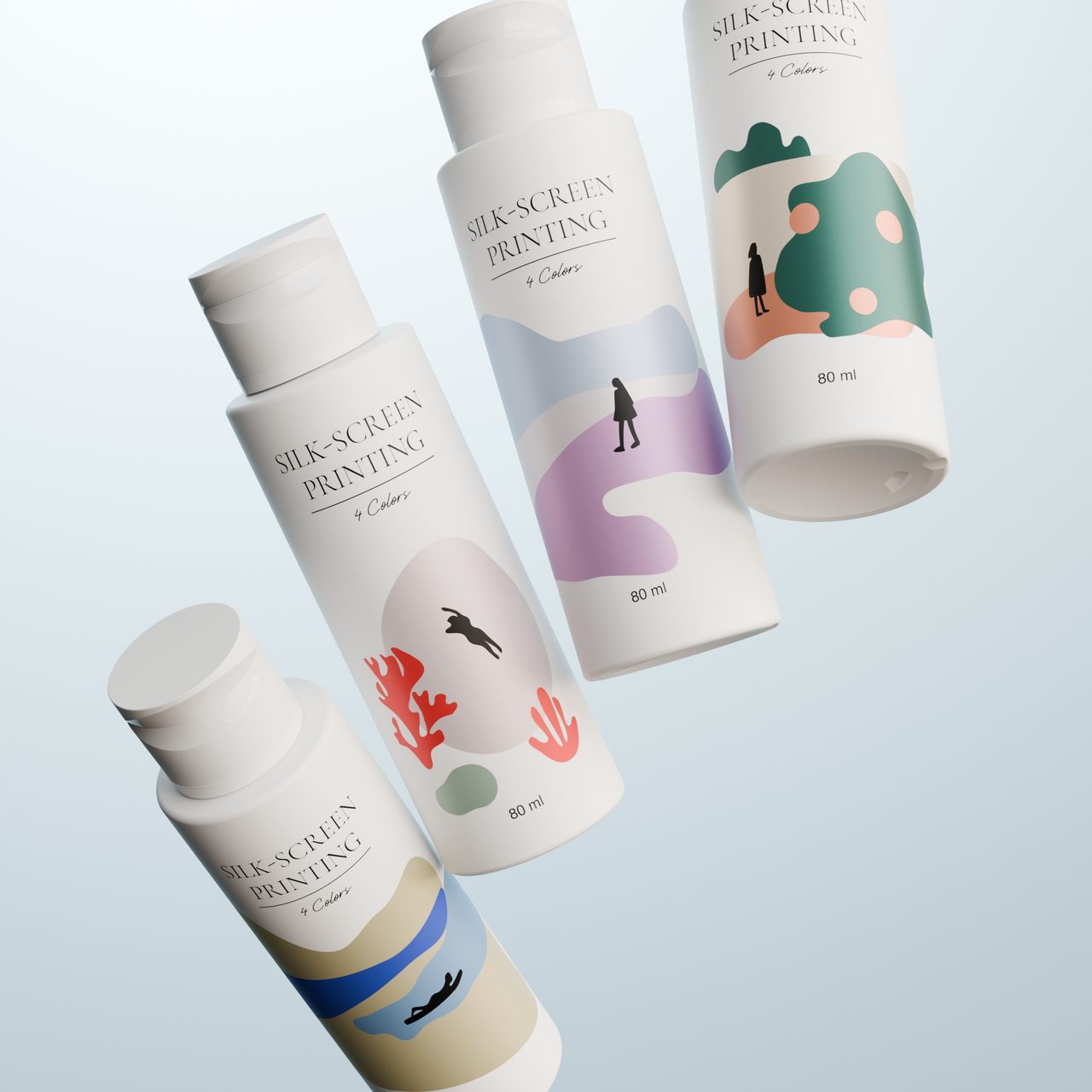
The most common packaging decoration techniques—screen printing, coating, metallization and hot stamping—turn a plain container into a recognizable product. Screen printing is an automated process: variations from one item to another arise from the technical constraints of the process, not from manual intervention. Understanding this helps set realistic expectations.
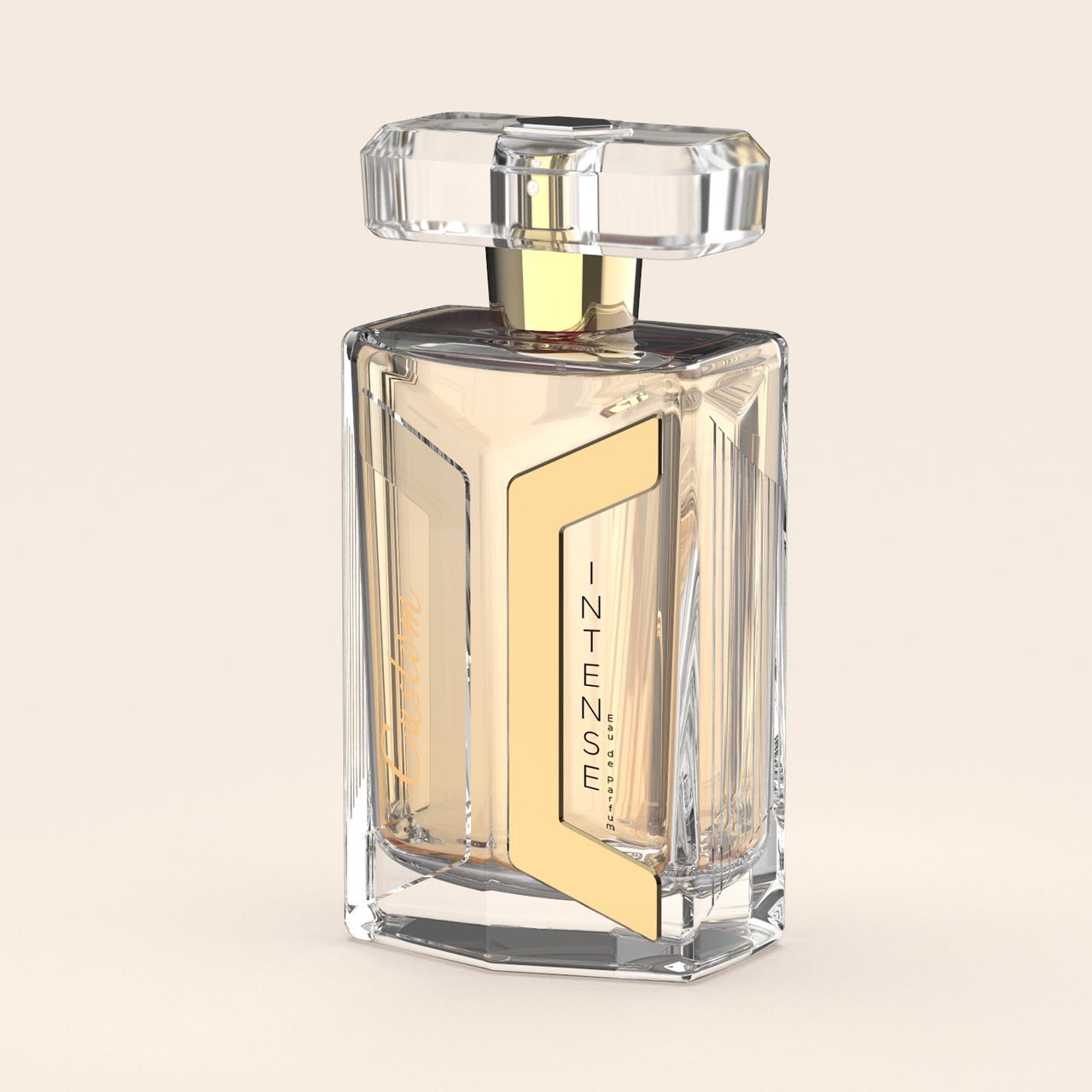
With custom packaging, the evaluation changes. A full-custom project starts from scratch with a new shape and a dedicated mould; a tailored solution involves extensive customization of an existing base.
Tooling costs, development times and the minimum volumes required to make an investment in a proprietary mould viable should be clarified from the outset.
Quality control and compliance
In glass packaging, certain characteristics are intrinsic to the material and manufacturing process, regardless of origin. The goal is not to demand the complete absence of variation—which is technically unrealistic—but to understand how the supplier selects and inspects what it delivers. More valuable than any generic guarantee about an individual item are declared defect acceptance levels, structured batch inspection procedures, non-conformity management and technical documentation (specifications, drawings and tolerances). Above all, it matters how the supplier defines sampling plans for incoming batches: inspection based on recognized statistical criteria provides an objective, repeatable assessment, more robust than subjective visual inspection, and allows the level of control to be aligned with the product segment.
Compliance is non-negotiable. Cosmetic packaging falls under several regulatory frameworks: EU Regulation 1223/2009 for aspects involving the container, material-contact regulations where applicable, and the Packaging and Packaging Waste Regulation (PPWR), which is becoming increasingly central to packaging design, as discussed in our guide to refillable cosmetic packaging and the PPWR. Any system, product or process certifications should never be assumed: they must be documented with the supplier on a case-by-case basis.
Supply continuity and technical support
Supply continuity makes it possible to reorder the same items months later while maintaining a consistent product appearance from one order to the next. A catalogue of stable products backed by proprietary moulds offers a level of repeatability that frequently changing ranges cannot provide: switching containers after a line has launched means redoing artwork, compatibility tests and sometimes documentation—an often-hidden cost.
Packaging also involves technical considerations that brands rarely manage entirely on their own: formula–material compatibility, closure integrity, choosing the correct neck finish and container performance throughout the product’s shelf life. A supplier that asks about the formula, pH, viscosity and filling conditions is working to prevent problems. This is especially valuable when developing a new line, where technical decisions are interdependent.
How Eurovetrocap measures up
For over 40 years, we have been a trusted supplier of primary glass and plastic packaging for cosmetics, make-up, perfumery and pharmaceuticals. A catalogue of more than 2,500 customizable standard items, our own moulds for glass and plastic, and a dedicated Custom department enable us to support brands from in-stock batches through to bespoke production.
On sourcing, we provide a clear figure: over 85% of our catalogue originates in Europe and approximately 15% in Asia, reflecting deliberate choices based on product segment and function, with the same quality control standards applied consistently regardless of origin. In terms of sustainability, our Zero In•Pack line brings together solutions with a reduced environmental impact.
There is one criterion on which we set a limit, and we prefer to say so openly. A full-custom project using a dedicated mould involves tooling costs and minimum volumes that make it unsuitable for the very first batches or small-scale market tests. In these cases, we recommend a decoratable standard or tailored solution to protect the launch schedule and budget. Full-custom remains the right choice when volumes justify it—and we make that clear from the start.
To assess the best solution for your project, you can explore the available materials or speak to our team through the contact page.


