
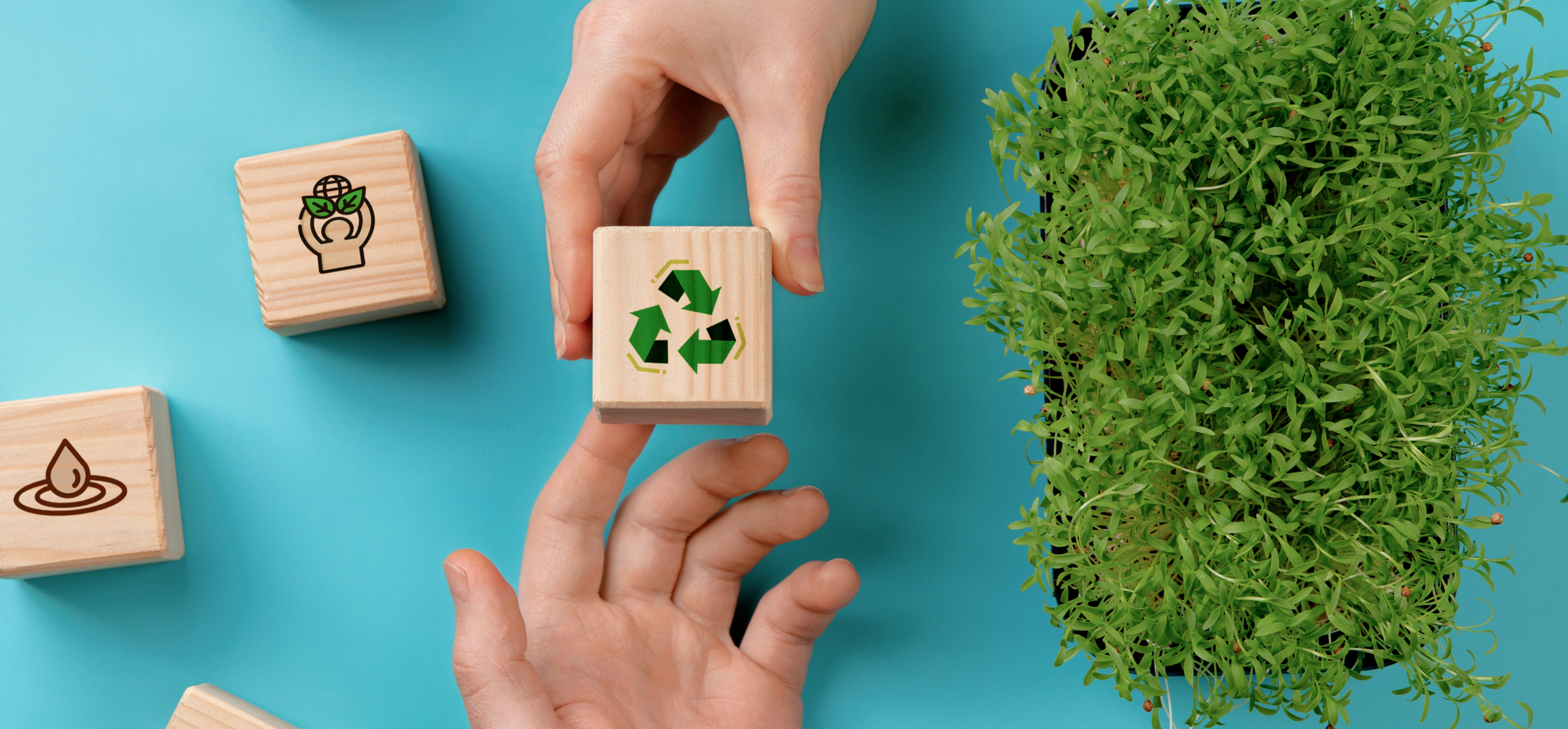
In the competitive landscape of cosmetics, pharma and fragrance products, the choice of sustainable packaging is now much more than a trend to follow, it is a commitment that can turn into an important strategic lever that combines environmental responsibility, product performance and brand value. A bottle designed to reduce environmental impact acts as a true ambassador of corporate values, strengthening the trust of distributors, industry professionals and end consumers.
To do this, it is necessary to rethink every stage of the packaging life cycle in depth: from the search for raw materials with low energy consumption and high recyclability, to the design of post-consumer collection and recycling systems that close the circle of sustainability. Only by integrating the principles of the circular economy – reduction, reuse and recycling – in every design and production phase, is it possible to transform packaging into a competitive asset, capable of raising the solidity and reputation of the brand in an increasingly demanding market.
Sustainable supply chain: LCA and strategic partnerships
The first step towards low-impact packaging is the LCA (Life-Cycle Assessment) analysis, which allows you to rigorously measure the carbon footprint produced, i.e. the rate of environmental pollution compared to the company’s production. Thanks to this assessment, it is possible to identify the most critical phases – such as the extraction of virgin raw materials or transport processes over long distances – and intervene with more sustainable alternatives. For example, replacing virgin plastic with plastics from renewable sources or recycled glass can reduce emissions by up to 40% over the entire life cycle of the container.
LCA is not a mere theoretical exercise: it provides tangible data to optimize every design choice. By comparing different end-of-life scenarios — mechanical, thermal, or composting — a company can select the most efficient combination of materials and processes, maximizing recovery and minimizing waste. In addition, having accurate carbon footprint reduction numbers allows you to enrich your strategic documents and business presentations with credible metrics, increasing the trust of suppliers and customers.
At the same time, establishing certified partnerships with suppliers who adopt ISO 14001 standards (the international standard that establishes the requirements for an environmental management system) or participate in circular economy programs guarantees transparency and traceability. This type of collaboration helps to strengthen the credibility of the brand and promotes shared innovation, thanks to the exchange of technologies and best practices. Finally, optimising logistics – consolidating loads, choosing routes with lower CO₂ emissions and favouring reusable packaging during transport – contributes significantly to reducing the overall environmental footprint.
Circular economy and innovative packaging
Adopting a circular economy model, oriented towards the principles of eco-design, therefore creating a more functional and green packaging, means embracing the principles of “reduce, reuse and recycle” in every project. Among the most effective strategies:
- refills and modular systems: designing refillable bottles or replaceable cartridges encourages reuse and limits waste production. These solutions combine practicality and sustainability, reinforcing the perception of a cutting-edge brand;
- materials with reduced environmental impact: thanks to technological advances, it is now possible to obtain secondary materials from recycling processes such as domestic post-consumer (PCR), post-industrial (PIR) and closed-loop waste recycling (adopted by glassworks and plastic converters);
- lightweight design and separable components: lower weight means lower impact values as the enclosure requires less energy and material consumption. In addition, creating parts that can be easily disassembled facilitates differentiated recycling and decreases raw material and energy consumption during production.
The adoption of materials with reduced environmental impact and all packaging innovations are at the heart of an organizational strategy that aims at circularity objectives, both in terms of social and ethical commitment and in terms of maximizing corporate sustainability at 360°.
Sustainable packaging: a strategic lever that combines environmental responsibility, product performance and brand value
Eco-design and low-impact packaging
A true eco-design approach goes beyond the logic of the single bottle: it involves the entire life cycle of the packaging, from initial design to post-consumer recycling. It is in this spirit that Zero In·Pack, our in-house Eurovetrocap laboratory dedicated to developing new packaging solutions that allow you to reduce, reuse and recycle in the most effective way to reduce environmental impact. Here, with a team of experts, designers and environmental technicians, we adopt the principles of the circular economy to devise lightweight, mono-material and easily recyclable packaging (up to 100%), as well as refillable systems that extend the life of the container.
Thanks to Zero In· Pack, we at Eurovetrocap passionately pursue the commitment to guarantee a transparent process based on LifeCycle Assessment, accompanying our customers in choosing the most suitable options and promoting continuous innovation that combines performance, aesthetics and environmental responsibility.
Competitive advantages and return
Embracing low-impact solutions is an opportunity to chart a course for real change and position yourself as a responsible leader. Sustainable packaging paves the way for a number of tangible benefits. First, it becomes a powerful tool for differentiation: when a product sports recycled materials or a refillable design, its message of innovation and respect for the environment resonates strongly, conquering spaces in the premium segments. At the same time, transparently talking about green practices – from the choice of raw materials to recycling processes – creates a climate of trust that strengthens ties with distributors and partners, transforming every relationship into a long-term one. Finally, anticipating future environmental regulations means navigating a changing regulatory environment with confidence, avoiding operational disruptions and demonstrating a concrete commitment to compliance.
Our commitment to your service
For over 30 years, Eurovetrocap has been supporting the main players in the cosmetics, pharmaceutical and luxury sectors with cutting-edge packaging solutions, the result of a tradition of innovation and a strong focus on sustainability. Our Zero In· Pack is the beating heart of this vision.
We provide our customers:
- LCA analysis and eco-design to define solutions based on rigorous and measurable data;
- innovative materials, from glass to recycled plastic, we study new generation solutions;
- technological customizations, to meet all needs in terms of efficiency and production effectiveness.
Choosing Eurovetrocap means not only equipping yourself with distinctive and high-performance packaging but also embracing a shared path towards the circular economy. Contact us for a tailor-made consultation: we will help you transform your packaging into a work of responsible design, able to enhance your brand identity and open up new perspectives in your reference sector.


