
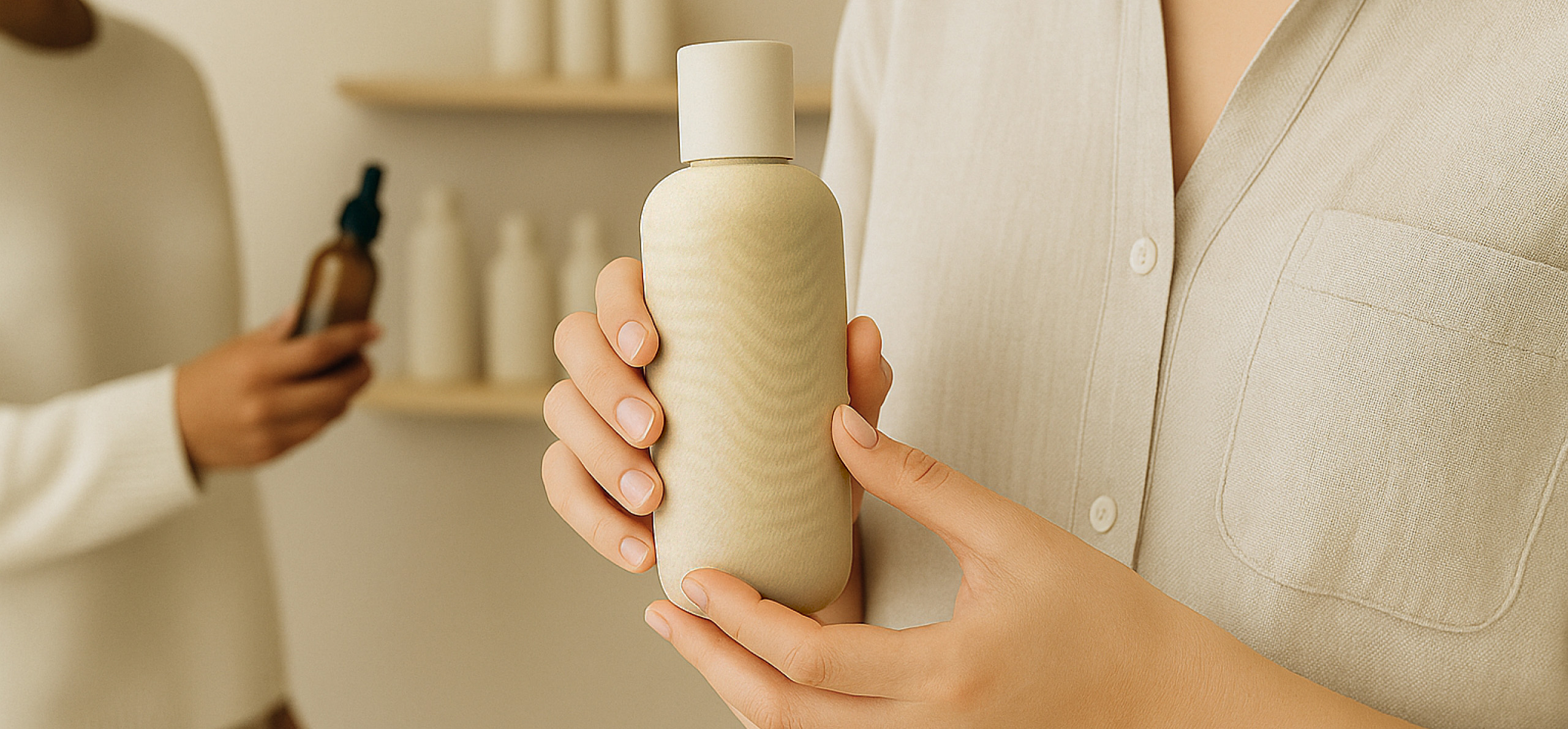
Packaging experience design is no longer limited to a simple wrapper that protects and informs: today, packaging is an integral part of customer experience packaging, a true emotional touch point that anticipates product sensations and strengthens the relationship with the brand. In particular, sensory packaging focuses on stimulating the senses to create a multisensory and engaging shopping experience.
In this article, we will delve into how materials, shapes, finishes, and tactile details can enhance the user experience; analyze successful examples in the cosmetics world; and provide practical tips for effectively implementing a packaging design that speaks not only to sight, but also to touch.
The value of touch in beauty packaging
When we talk about ux packaging, touch takes on a crucial role. Indeed, the first physical contact with a product conditions the overall perception of quality and value. In the beauty industry, where personal care is a sensory ritual, packaging becomes the first ambassador of the sensations that will follow during application.
The touch of a velvety surface or the controlled roughness of an embossed pattern immediately convey a sense of care and attention to detail. Neuromarketing studies reveal that a texture pleasing to the touch can increase the perception of value by more than 30 percent, influencing the purchase decision and reinforcing brand positioning. A soft-touch finish, for example, communicates coziness and comfort, an ideal feature for premium skincare lines; while a frosted glass suggests purity and naturalness, perfect for clean beauty products.
In addition, tactile memories prove to be enduring: in contrast to graphic images, an unusual tactile sensation remains etched in the consumer’s memory, making the pack recognizable even to those who do not remember the precise visual appearance. This is especially important in competitive markets, where differentiation through packaging experience design becomes a strategic advantage.
Finishes and processing that stimulate the sense of touch
The landscape of tactile finishes is vast and offers many opportunities for customization. Here are the main processes that contribute to the creation of sensory packaging:
2.1 Soft-touch
This finish creates a velvety surface that is warm to the touch, thanks to the application of specific paints or protective films. It is perfect for high-end skincare products, because it conveys a welcoming, feel-good sensation.
2.2 Satinizing and sandblasting glass.
Processes such as satin-finishing or laser sandblasting give glass a silky matte effect. The result is an elegant, natural look that is ideal for cosmetic lines that focus on purity of ingredients.
2.3 Embossed textures
Silkscreen embossing or mechanical engraving of logos, patterns, or lettering adds a higher level of tactile interaction. This detail not only enhances the perception of value, but also facilitates brand recognition by touch.
2.4 Contrasts between surfaces
The juxtaposition of glossy and matte elements or smooth and rough surfaces creates an unexpected play of contrasts that invites the consumer to explore with their hands. This technique is particularly effective for communicating product dualities, such as day/night or different function and texture.
2.5 Natural or raw finishes
For botanical or handcrafted lines, the use of surfaces reminiscent of natural materials-such as stone, wood or ceramics-sublimated through textural textures emphasizes the connection with nature and the authenticity of the product.
The way a product feels to the touch influences the perception of quality, reinforces brand memory, and can guide the purchase decision
Integration of sensory packaging into UX packaging
Sensory packaging cannot be separated from a holistic view of the customer experience packaging. The design must consider the complete user journey: from picking up on the shelf to daily handling of the product.
Touch point mapping: identifying the moments when the user physically interacts with the packaging (opening, dispensing, closing) allows touch workings to be focused in key areas.
Consistency with the brand: each tactile finish must be aligned with the communicative positioning: a luxury pack will require refined textures, while an eco-friendly range may focus on raw, natural surfaces.
Multisensory integration: touch is effectively combined with other sensory stimuli such as sounds (clicks of mechanical closures), scents released on first contact, or internal micro-lighting for premium packaging. The goal is an immersive experience that surprises the consumer.
Balance between sensoriality and functionality
A common mistake is to seek tactile effect at the expense of practicality: an excessively thick soft-touch coating can compromise the lightness of the container, while textures that are too rough can be uncomfortable in everyday use.
It is therefore necessary to design for real use: testing prototypes under simulated conditions of use (bathroom, travel, confined space) ensures that tactile finishes do not hinder the handling and durability of the packaging. Some finishes can also significantly affect the budget and recycling cycle. It is critical to evaluate eco-friendly alternatives, such as water-based paints or mechanical embossing, to balance aesthetic impact and production costs.
Sensoriality and sustainability: a possible marriage
Today there are tactile solutions designed to reduce environmental impact without sacrificing the sensory experience:
- Water-based soft-touch paints: alternatives to chemical solvents, they provide the same velvety effect with lower volatile emissions.
- Sandblasting on recycled glass: transforming reclaimed materials into fine textured surfaces.
- Mechanical relief without ink: direct engraving on surfaces, reducing the use of chemicals and promoting recycling.
This approach makes it possible to offer packaging that is both sensory and environmentally friendly, reinforcing the brand’s reputation as attentive to green values. For more on sustainable solutions, visit our article on sustainable packaging.
Practical tips for sensory packaging
To translate ideas into reality, it is best to define your project as best you can. Here are some practical tips:
- Target audience analysis: study your audience’s tactile preferences, gather feedback through workshops and focus groups.
- Material selection: assesses mechanical strength, product compatibility and environmental impact.
- Rapid prototyping: make mock-ups with different finishes to test grip, weight, and comfort.
- Usability testing: simulates real usage scenarios (product application, transportation, reopening) to detect any critical issues.
- Cost optimization: compare suppliers and finishing techniques, favoring eco-friendly and scalable solutions.
- Launch and communication: highlights the sensory aspect in marketing campaigns, emphasizing how touch enriches the shopping experience.
The future of sensory packaging
Sensory packaging represents an extraordinary opportunity to elevate the user experience and create a lasting emotional connection with the consumer. The adoption of tactile textures, innovative materials, and sustainable finishes enables it to stand out in an increasingly competitive market, transforming the simple wrapper into a protagonist of the shopping experience.
Rely on a team of experts in tactile materials and finishes: Eurovetrocap supports you from first draft to production, with rapid sampling, sustainable solutions and tailored technical advice. Turn every package into a multisensory experience capable of exciting consumers and growing your brand: contact us to shape, texture and value your next success.


