
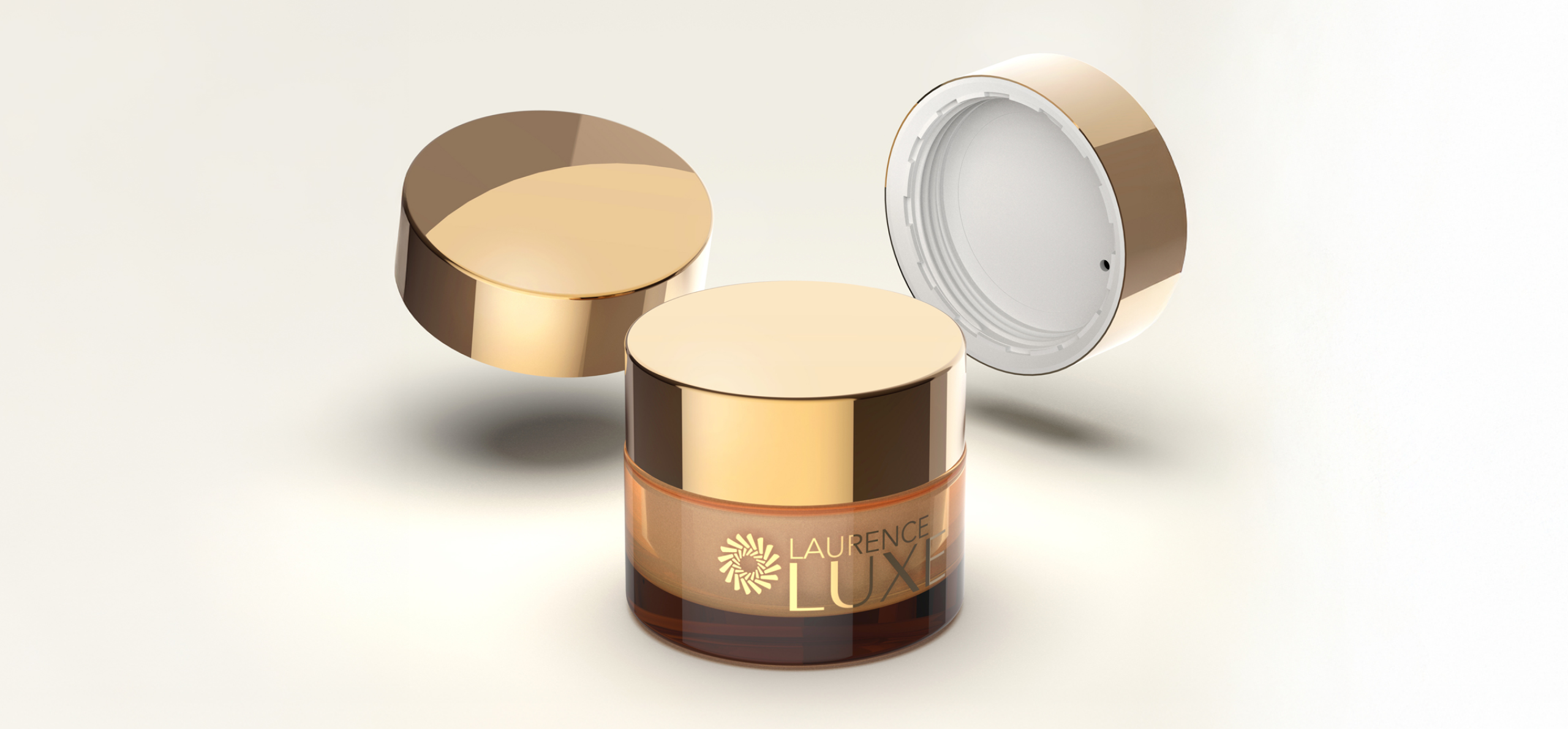
Imagine having the perfect formula in your hands – a brightening serum, an intriguing eau de parfum or a hand cream with a sophisticated bouquet. Although this is a great start, without the right bottle, your excellent and effective cosmetic product will remain unknowable and hidden.
Primary packaging, in addition to having the fundamental function of protecting the formula and preserving its qualities, is the first touchpoint with the user, the barrier that protects the product and the asset that tells the positioning of your brand.
On this journey – from the idea to the product on the shelves – there are six essential steps that, if approached methodically, allow you to avoid delays, overbudgets and non-compliance.
1. Formula–pack compatibility test
The first rule is that not all containers are good for all products. A formula, in fact, can interact with the material of the container (glass, plastic, pump, gaskets), compromising its stability or effectiveness. This is why it is important to conduct tests.
The first step consists of compatibility testing to evaluate reactions between formula and pack over time. A few milliliters of formula are then deposited in a candidate bottle and subjected to targeted stress. High temperatures, freeze-thaw cycles, exposure to UV rays: these are tests that simulate months of commercial life in a few weeks. If the glass gives off alkali, if the pump lets oxygen through, or if the polymer absorbs your scents, you need to find out right now, not after launch.
With GCMS analysis, safety of use is then verified through the evaluation of any migrations and contamination of the product. Sensory evaluations also control storage conditions, observing whether and how light, temperature and humidity affect texture, smell and colour.
2. Choice of primary packaging
Once you have passed the compatibility test, you select the final container. The rheology of the formula – fluid, viscous, anhydrous or spray – guides the choice of droppers, jars or airless bottles.
Does the product need to avoid exposure to light or air? The barrier required (light, oxygen, humidity) determines the material: an amber glass protects a sensitive blend of oils, while a mono-material PE airless protects a natural emulsion by reducing the need for preservatives.
At this point, more focused reflections on the reference market come into play and the price or price range of the cosmetic line, any co-branding strategies and color identity are designed. For example, a lightweight recycled glass jar communicates premium sustainability, while a transparent PET cylinder nods to everyday functionality.
3. Customization and decoration
Once you’ve completed the evaluations from the previous steps, it’s time to consider whether to customize or decorate your pack. There are two main avenues:
- neutral or standard solutions
- decorated or customized packaging
Not all launches require hot stamping or complex metallization. If you need to get to market quickly, a standard bottle with a well-designed label is often the most agile and capital-efficient strategy: low minimum order batches and delivery times within a few weeks.
When, on the other hand, brand storytelling is based on visual impact – think of a boutique fragrance – the value of a multi-color screen printing, a soft-touch paint or a gold hotstamping emerges in all its strength. It is good to keep in mind, however, that each special effect lengthens the production chain: adherence tests and a curing time of up to 72 hours are required.
4. Lead time and MOQ: the logistics equation
Haste is a bad counselor when you underestimate the technical timing and initial quantities. Even the simplest pack requires days of procurement, incoming quality checks, planning on decoration lines and assembly times.
Starting with small batches, available in stock in the measure of 1,000-2,000 pieces, can help test the market, validate the formula, collect feedback. A custom mold, on the other hand, involves 4 to 6 months between engineering and sampling. Planning with a shared Gantt where bottles, caps, pumps and labels converge in the same logistics hub is the only way to prevent a single component from blocking the filling chain.
5. Compliance and dossier
In Europe, Regulation (EC) 1223/2009 establishes that packaging does not alter the safety of cosmetics. Hence the need for technical data sheets certifying the absence of heavy metals, BPA or phthalates beyond limits, and for MOCA declarations when the pack can be assimilated to a food grade container.
The information on the label – INCI, PAO, batch code, manufacturer’s location – must be legible and in the language of the target market. It is also good not to neglect non-EU markets: the US FDA, the Brazilian ANVISA or the UK MoCRA have nuances that must be integrated into the PIF dossier from the outset.
6. From filling to go live
When formula, pack and graphics converge, it’s time for filling. Before mass production, a pilot batch of a few hundred pieces allows the line to be stressed: tightening speed, pump torque, label alignment. After passing the FAT (Factory Acceptance Test), the product enters secondary packaging: FSC boxes, recycled cardboard trays, cartapulp protections for ecommerce shipments, etc. In the meantime, marketing prepares photo shoots, 3D renderings and digital cards for the storytelling of the product or cosmetic line, which are essential for retail buyers and platforms.
The path to winning packaging
To sum up: a successful packaging development path follows a logical thread: compatibility testing, functional choice of container, decoration decisions calibrated on budget and storytelling, realistic logistics planning and regulatory compliance without gaps. Each step is linked to the next by precise deliverables: stability report, CAD master with tolerances, color plan, production Gantt, PIF dossier. For this reason, it is important to choose suppliers who know the needs of the sector and who help identify the most suitable container from the start.
Why choose Eurovetrocap
In over forty years of activity, Eurovetrocap has refined a flexible approach with solutions already available and advice on materials and decorations. The result is an optimized time-to-market without sacrificing quality or sustainability. We can suggest stockservice solutions for pilot batches and accompany you towards dedicated custom projects.
Turning a formula into a successful product means orchestrating materials science, design, supply chain and compliance. By relying on Eurovetrocap you have a single point of contact who speaks the language of R&D, marketer and quality office. Contact us to build packaging that protects your formula, enhances your brand and arrives on the market in the time that the business requires.


