
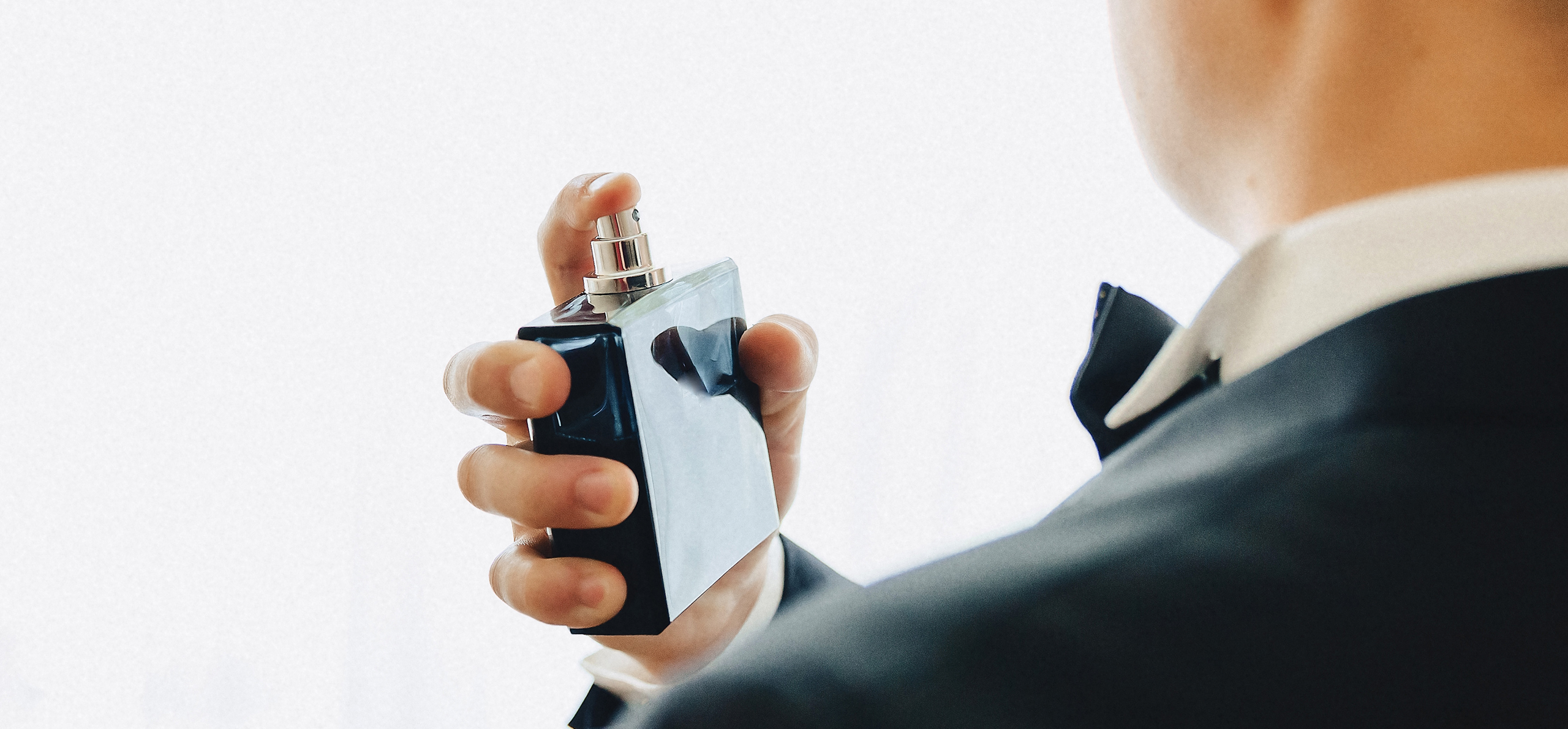
Olfactory marketing is an increasingly popular strategy in the field of marketing, sensory marketing in particular, which aims to stimulate and involve the senses of consumers to create memorable shopping and use experiences. In the cosmetics and beauty industry, aromas play a fundamental role in consolidating the emotional and perceptual bond between the brand and the customer. But what is olfactory marketing specifically and how does it integrate with emotional marketing trends and advanced packaging solutions? Let’s find out together.
Sensory marketing in the cosmetics sector
In the beauty and cosmetics industry, brands are constantly looking for new ways to connect with their audience. With the advent of emotional and sensory marketing, a branch of marketing that exploits the five senses (sight, touch, hearing, taste and smell), companies aim to arouse sensations and feelings that go beyond the simple use of the product. Personalized fragrances and packaging care represent an essential lever to “sign” your product and make it unique on the market, thus helping to strengthen:
- brand recognition: a well-designed user experience can become a distinctive asset that strengthens the brand identity;
- differentiation: the offer of unique and customized solutions distinguishes the brand from the competition;
- multisensory experience: the integration of different stimuli (visual, tactile, olfactory) creates a lasting emotional bond between the product and those who use it.
What is olfactory marketing and why is it important
Olfactory marketing consists of the strategic use of fragrances and aromas to positively influence people’s behavior and perceptions. It is often considered an integral part of sensory marketing for three reasons in particular:
- emotionally involve the target audience;
- distinguish the brand from the competition;
- strengthen the brand identity through pleasant and memorable sensations.
In the B2B market, olfactory marketing may seem less relevant, although even professionals in the cosmetics sector (manufacturers, distributors, formulation laboratories) can benefit significantly from the integration of multisensory experiences that enhance their proposals and contribute to making their product perceived as part of an overall high-level experience. This is especially true if we consider the possibility of proposing customized packaging solutions that meet the needs of consumers who are more attentive to innovation, quality and sustainability.
Engaging consumers’ senses creates purchasing and usage experiences that remain etched in memory
Primary packaging and sensory experience
In cosmetics (such as creams, perfumes, serums, etc.), packaging is not just a container but becomes a real means of communication and preservation of the sensory properties of the product. This is why integrating the olfactory experience with the tactile and visual experience, both the content and the container, can become part of a broader strategy to engage the target and retain it in the long term.
As far as primary packaging is concerned, some innovative solutions include:
- materials with reduced environmental impact and technical: the use of materials with reduced environmental impact (recycled or recyclable), capable of preserving the quality of the fragrance or formula, or technical solutions that prevent the dispersion of aromas or possible alterations over time (such as, for example, airless bottles);
- customized design: shapes and finishes designed to protect the delicacy of the fragrance and, at the same time, communicate the values of the brand, but also the possibility of choosing sealing and accessories that facilitate the dosage of the perfume or the user experience;
- controlled release technologies: systems that guarantee a gradual release of the aroma, such as the exclusive Elixir room diffuser and all home fragrance solutions, keeping the freshness of the product constant and cutting-edge techniques to preserve and gradually release the olfactory component.
Sustainability is part of the experience
Now more than ever, companies are called upon to demonstrate their commitment to sustainability at all stages of the product life cycle. This is why each actor has its own responsibility to comply with the main regulations in force, both in terms of the choice of raw materials and with respect to production and disposal technologies.
For example, packaging made with recyclable or low-impact materials helps to lower the carbon footprint and meet the expectations of an increasingly green market. Certifications and information provided to stakeholders (customers, suppliers, retailers) are also part of a transparent communication strategy and strengthen the credibility of the brand.
Future trends: digital and personalization
Looking to the near future, olfactory marketing will continue to evolve in parallel with the needs of the B2B market and emerging trends. These include:
- integration with digital solutions: augmented or virtual reality campaigns that allow partners to virtually “try” fragrances;
- high customization: tailor-made packaging and olfactory formulas, to meet increasingly specific needs;
- cross-industry collaborations: synergies between the cosmetics sector and other supply chains to extend the sensory approach to new business areas and to ensure increasingly holistic experiences.
Brand identity and emotional marketing
Olfactory marketing is not limited to adding a pleasant fragrance to a product, but represents a strategic lever to strengthen brand identity, improve the multisensory experience and respond to the needs of a market increasingly oriented towards sustainability and innovation. In the B2B sector, investing in advanced packaging solutions and fragrance preservation technologies can make a difference in terms of competitiveness and positioning in the cosmetics and beauty segment.
Integrating emotional marketing, sensory design and sustainable choices allows companies to create a stronger bond with their partners and, in turn, with end consumers. The continuous evolution of packaging technologies and the growing importance of the brand experience open up new opportunities for those who want to stand out and offer real added value, linked as much to the effectiveness of the product as to the emotion it can evoke.
In an increasingly competitive and experience-oriented market, primary packaging plays a decisive role in enhancing the product and brand identity. At Eurovetrocap, we believe that attention to every detail – from aesthetics to functionality, up to smell – is the key to packaging that not only protects, but communicates, seduces and loyalty. If this is also your goal, write to our team of experts, ready to suggest the best solution for you.


